The Leads Are Weak: What Glengarry Glen Ross Gets Backwards About Home Service Companies

There is a scene every home service owner has lived. It is late, the office is half dark, and a salesman who has been on the phone all night says the four words that get him destroyed: "The leads are weak." The man from downtown does not argue about the leads. He argues about the salesman.
Thirty years on, Glengarry Glen Ross is still the most quoted movie in any office where people sell. Plumbers quote it. Roofers quote it. Every HVAC owner who has ever sat through a lead-gen sales pitch has felt like Shelley Levene at least once. Which is strange, because if you run a home service company, the movie gets the argument exactly backwards for you.
The salesmen were wrong. So was the guy from downtown.
Watch the coffee scene again and notice the shape of the fight. The salesmen say the leads are bad. Management says the salesmen are bad. Nobody in the room asks the only question that matters: where do the good leads come from, and why does this office not have any?
That is the home services version of the problem. Talk to a contractor for ten minutes and you will hear the complaint: the shared-lead sites send tire-kickers, the pay-per-lead platform sells the same homeowner to five companies, the ad agency sends clicks that never call. And then ask the follow-up question. What happens when a real homeowner with a real problem gets on the phone with you?
You close them. Almost every time.
Home service companies are not bad at closing. A plumber standing in a kitchen with the water off does not need a sales technique. A roofer with a ladder on the truck and a written estimate wins the job most of the time. The close is not the problem. The problem is the stack of cards on the desk, and the movie is right about one thing: the difference between a good week and a bad one is which leads are in the stack.
The Glengarry leads are real. They are in the map pack.
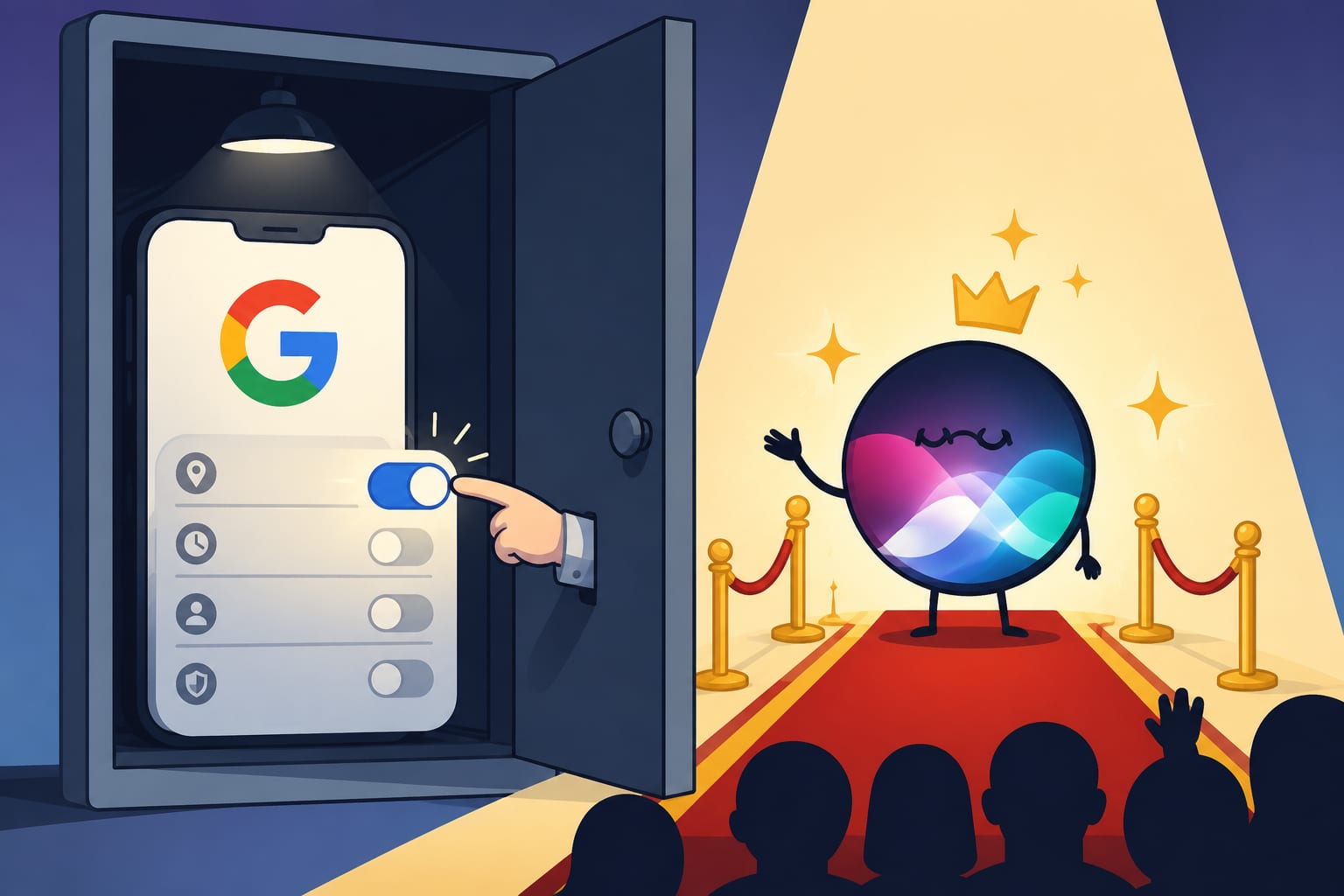
In the film, the premium leads are locked in the office safe. The salesmen scheme, beg and eventually break in for them. For a home service company the premium leads are not locked away at all. They are the people typing "emergency plumber near me" at 9 p.m. with a phone in one hand and a towel on the floor. Those searches convert at a rate no purchased lead list can touch, because the homeowner has the problem, the budget and the urgency all at once.
The catch is that those leads go to three companies: the ones in the map pack. If you are not one of them, the job goes to whoever is, and it does not matter how good your crew is. Getting into the map pack is not a trick. It is a Google Business Profile that is complete and current, a steady stream of honest reviews, service-area pages that tell Google where you work and what you fix, and a website that loads fast enough on a phone that a searcher does not bounce. That is the whole of local marketing for home services, and it is the difference between fighting over deadbeat leads and having the premium ones call you.
Deadbeat leads are a targeting problem, not a lead problem
Later in the movie a salesman gets handed a lead who cannot buy, and the office treats it like bad luck. It is not luck. Someone decided which cards went to which desk.
The home service equivalent is the pay-per-click campaign that spends the budget on "how to fix a leaking faucet" instead of "plumber Stone Oak." The searches look related. One is a homeowner with a wrench. The other is a homeowner with a checkbook. If your ads are buying the first kind, the leads are not weak. The targeting is. The seven biggest sources of Google Ads waste are almost all versions of this, and every one of them is fixable with negative keywords, service-area targeting, and conversion tracking that counts booked calls instead of clicks.
The same is true of the shared-lead platforms. They are not lying about the volume. They are selling one homeowner to five contractors and letting you race. The company that answers first wins, and we will get to that. But the deeper fix is not to race harder. It is to own the source. A homeowner who found you through search and called your number directly was never for sale to anyone else.
Always be answering
The movie's most famous line is about closing. For a home service company the line should be about answering.
Most home service leads arrive while you are on a job, under a house, or asleep. A missed call at 2 p.m. on a Tuesday is a lead that goes to the next name on the list, and the first business to answer wins the job far more often than the best business does. This is where the Glengarry salesmen would have killed for what a contractor can buy today: an AI intake line that answers every call, asks the qualifying questions, books the appointment against the real calendar, and texts the homeowner a confirmation before your competitor's voicemail has finished playing. Not a chatbot on the website. A phone that gets picked up at 3 a.m. by something that knows your service area and your pricing.
The workflow behind it is not exotic. The call lands, the lead is logged, the crew is notified, the follow-up goes out. The point is that a good lead never becomes a weak one by sitting in a voicemail box for six hours.
Coffee is for closers. The website is the coffee.
The insult in the coffee scene is that the salesmen have not earned the basics. Home service websites fail the same test constantly. The number is below the fold. The estimate form has eleven fields. The page takes six seconds to load on a phone in a driveway. The service area is nowhere. Each of these is a homeowner who was ready to call and did not.
A fast, plain site with the number at the top, the towns you serve in the header, a two-field estimate form and real reviews is not a luxury. It is worth a measurable amount of money every month, and most home service sites are quietly losing customers in ways the owner never sees, because the homeowner who bounced never calls to say why. Site speed and conversion work on a contractor site are the cheapest leads you will ever buy, because they are leads you were already paying for and throwing away.
The best pitch in the movie is not a pitch
The scene people forget is the long, meandering conversation in the restaurant where Al Pacino's Ricky Roma never seems to be selling anything. He talks about life, about regret, about what a person actually wants, and only then slides the brochure across the table. It works because the buyer feels understood before he feels sold to.
That is how a good home service website should work. The homeowner does not want a hard sell. They want to know you have fixed their exact problem, in their exact neighborhood, for people like them. Pages for each service and each town. Photos of real jobs. Reviews that mention the street. A portfolio of real work, not stock photos of a smiling man in a hard hat. By the time they reach the button they already trust you, and the button is just where the trust lands.
The office is rigged. Yours does not have to be.
The tragedy of the movie is that the salesmen are fighting each other for scraps handed out by an office that does not care whether they survive. That is what buying leads feels like: five companies racing for one homeowner, a platform taking its cut either way, and a price that goes up the moment you start winning.
The way out is to own the board. Your Google profile, your reviews, your service-area pages, your site, your phone line, your customer list. Nobody can turn those off, nobody can sell them to the company across town, and every job they bring in makes the next one cheaper. A company that owns its lead flow is not sitting by the phone waiting for downtown to send the good cards. It is the office that has them.
What this costs, and how to pay for it
A home service site built the way this article describes, with the service-area pages, the reviews, the speed work and the AI intake line, is a real project with a real price. It is also the one investment in the business that shows up as booked trucks within the first season. We built 0% financing for exactly this: 25% down, then equal payments with no interest, up to 12 months on any project, 24 months from $15,000 and 36 months from $20,000. A financed website or local marketing program can be paid for by the jobs it books while it books them.
If you want to know where you stand today, the free visibility check shows what a homeowner in your service area actually sees when they search for what you do. It takes a few minutes and it is the difference between guessing about the leads and knowing.
Watch the scenes
- Coffee is for closers: the speech from downtown, in full, from the studio's own channel.
- The leads are weak: the four words, and the answer.
- Roma rips into Williamson: what a closer does when the office costs him a deal.
- The restaurant conversation: the pitch that does not look like one.
The movie is about men who could close and had nothing worth closing. Home service companies are the opposite case: plenty worth closing, and a lead flow they have never owned. Fixing that is not a speech. It is a build, and it starts with the number at the top of the page.