The 5-Minute Rule: Why the First Business to Answer Wins the Job

A customer with a problem calls three businesses. The first one to answer usually gets the job. The other two find out weeks later, if they find out at all.
It is easy to believe the best company wins the local job — the most experience, the sharpest reviews, the fairest price. Often it doesn't. The one that answers wins. Speed is the quiet advantage almost nobody spends.
Five minutes is the whole game
The research is blunt. A Harvard Business Review study of thousands of online leads found that firms which reached a lead within an hour were about seven times more likely to have a real conversation with a decision-maker than those who waited even sixty minutes — and sixty times more likely than the ones who waited a full day. Separate research on lead-response timing found the odds of qualifying a lead fall off a cliff after the first five minutes. Call at minute five instead of minute thirty, and you are many times more likely to reach the person while they still care.
The reason is human. A buyer with a broken AC or a burst pipe is not loyal to you yet. They are in pain, and they are dialing down a list. Attention has a short shelf life, and it is shortest exactly when the customer is most ready to spend.
You are already losing races you never see
- The form on your site that emails an inbox nobody checks until Monday.
- The call that comes in at 7pm, after the office closed.
- The voicemail you return four hours later — to a customer who booked someone else at hour two.
Every one is a job that was yours to lose, lost on the clock instead of on merit. You never hear about these. That is what makes them dangerous.
Speed is a system, not a scramble
You cannot out-hustle the clock by trying harder. People sleep, take lunch, work with both hands full. What answers in five minutes, every time, day or night, is a system.
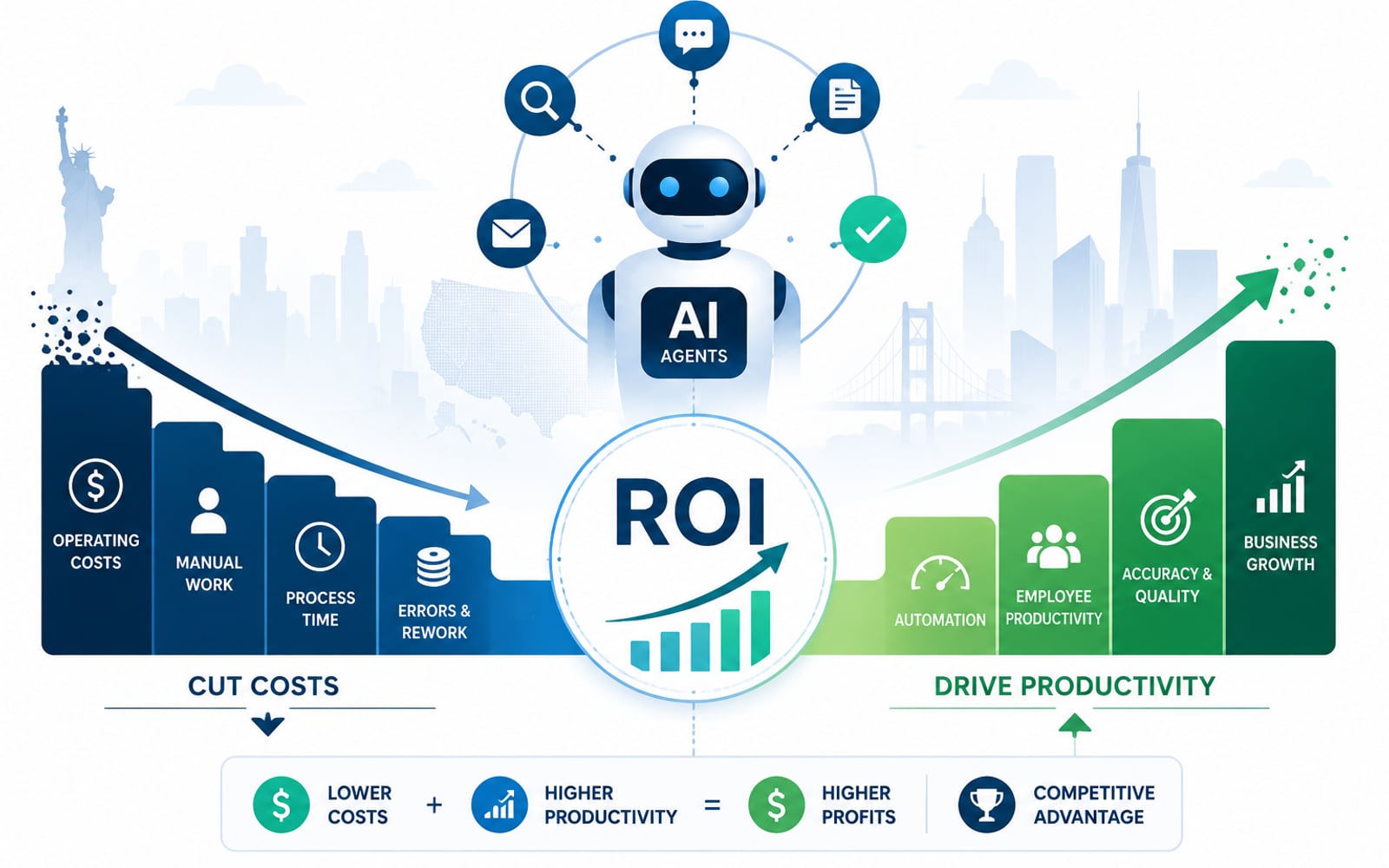
- An AI intake agent that answers the moment a lead arrives — nights, weekends, the middle of a job — qualifies the request, and books it.
- Automations that route a new lead to the right person's phone in seconds and won't let it sit.
- An instant quote instead of "we'll get back to you." We built MEP AI Pro so a contractor can turn a job description into a detailed, line-item estimate in about two minutes — priced and ready to send while the customer is still deciding.
The point is not to replace your people. It is to make sure the phone is answered and the lead is held until they can take it.
What it's worth
Do the arithmetic on your own numbers. If ten leads a week reach you and you close three, answering the seven you now miss on time does not take a better closer or a bigger ad budget. It takes being first. You are already paying to create the demand. Speed decides how much of it turns into work.
How DataCram helps
DataCram builds the answer-first system end to end: an AI agent that fields leads around the clock, automations that put them in front of your team in seconds, and instant-quote tools that turn interest into a signed job before the competition calls back. It runs on a fast site built to convert, and it ties to numbers you can see — calls answered, leads qualified, jobs booked. We serve businesses from San Antonio to the coast and clients across the country.
FAQ
How fast is fast enough?
Under five minutes, and ideally instant. Lead-response research is consistent: the odds of reaching and qualifying a lead drop sharply after the first five minutes and keep falling by the hour. The businesses that win treat a new lead like a ringing phone, not an email to get to later.
Does an AI agent replace my staff?
No. It covers the moments your staff can't — after hours, during a job, when three leads land at once — then hands a qualified, booked customer to a person. Your team does the work that needs a human; the system makes sure no lead goes cold first.
What if most of my leads come by phone, not forms?
Same rule, same fix. Missed calls get an instant text back, after-hours calls get answered by an AI receptionist, and every inquiry lands in one place so nothing is lost between voicemail and callback.
Will this work for my industry?
If customers reach you with a need and a choice — home services, medical, legal, auto, and more — the rule applies. The faster you answer, the more of the demand you already pay for turns into booked work.
Next steps
Pull your last twenty leads and check the timestamps. How long did each one wait for a reply? The gap between minute five and hour five is the gap between the jobs you won and the ones you never heard about again. Tell DataCram how your leads come in, and we will show you, straight, how to answer them first.