Why San Antonio Businesses Choose Southtown

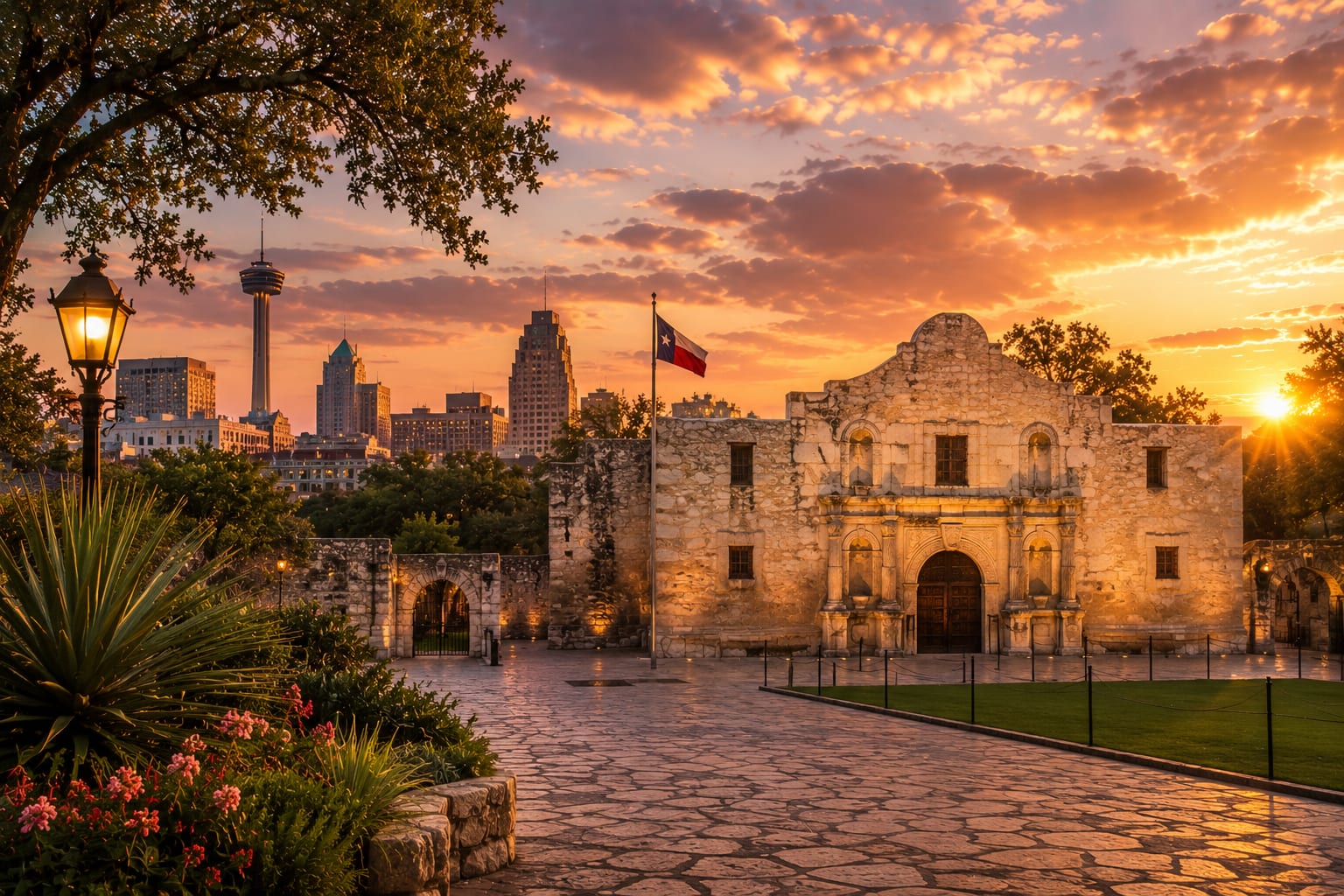
San Antonio businesses choose Southtown because it delivers downtown proximity with neighborhood-scale rent and a built-in audience that walks. The district sits directly south of downtown and wraps the King William Historic District — San Antonio's first, designated in 1968 — plus the Blue Star Arts Complex, the Lavaca neighborhood, and the South Flores and South Alamo corridors. Monthly First Friday crowds, the San Antonio River Walk's Museum and Mission Reach extensions, and a dense residential base give small businesses recurring traffic without a downtown lease. The tradeoffs are tight parking, historic-district review on exterior changes, and rents that have climbed with the neighborhood's popularity.
The short version
Southtown works because it solves two problems at once. Businesses want to be near downtown's daytime population, conventions, and tourism. They do not want downtown's rent, downtown's parking fees, or downtown's habit of emptying out at 6 p.m. Southtown sits a few blocks south of Hemisfair and keeps a residential heartbeat after dark.
That is the whole pitch, and it has held up for three decades of restaurants, galleries, studios, boutiques, design firms, and clinics.
What "Southtown" actually covers
Southtown is not a single subdivision. It is a loose district south of downtown that includes:
- King William Historic District — San Antonio's first designated historic district, established in 1968, lined with restored 19th-century German-merchant homes.
- Lavaca — one of the city's oldest residential neighborhoods, immediately east of King William.
- Blue Star Arts Complex — a converted warehouse complex on the river that opened as an arts venue in 1986 and still anchors the district's gallery and studio scene.
- South Alamo, South Flores, and South St. Mary's corridors — the commercial spines where most storefront leases sit.
When a customer says "Southtown," they usually mean the stretch between César E. Chávez Boulevard and the Blue Star, plus whatever they walked past to get there.
Five reasons businesses sign leases here
1. Walk-in traffic that repeats. First Friday, the monthly art walk that grew out of the Blue Star scene, pulls thousands of people into the same few blocks on a predictable schedule. Second Saturday adds a quieter gallery night. Businesses on those routes get a marketing event they did not have to organize.
2. River access on both ends. The Museum Reach opened in 2009 and the Mission Reach — roughly eight miles of restored river and trail connecting downtown to the Spanish colonial missions — was completed in 2013. Southtown sits at the hinge. That means cyclists, runners, and mission-bound tourists pass through daily, not just on weekends.
3. Residents, not just commuters. Downtown-adjacent districts often die at night. Southtown has actual households, which means a coffee shop can survive on Tuesday morning and a restaurant can survive on Sunday. Recurring local revenue is more durable than convention-calendar revenue.
4. Character you cannot build. Historic housing stock, mature oaks, murals, and narrow sidewalks give a business instant atmosphere. For studios, salons, boutiques, and design and creative firms, the address does part of the branding.
5. Access without the freeway tax. I-10, I-35, and I-37 all touch the district's edges, and VIA routes run the main corridors. Staff can commute from Alamo Heights, the South Side, or out toward Helotes without crossing downtown.
The tradeoffs the leasing brochure leaves out
Parking is the first one. Much of Southtown was platted before cars, and street parking around King William fills fast on event nights. Businesses that need customers to arrive by vehicle should count spaces before signing.
Historic review is the second. Exterior work on a property inside a designated historic district — signage, paint, windows, patios — generally requires review through the City of San Antonio Office of Historic Preservation, including a Certificate of Appropriateness. It is a manageable process, but it adds weeks and it constrains signage. Plan for it in your buildout timeline rather than discovering it after the sign is fabricated.
Third, rent has moved. Southtown is no longer the cheap alternative it was in the 1990s. It is still generally below prime downtown asking rates, but the discount narrows every year the district gets more popular.
Fourth: your sign is small and your street is narrow. Which brings up the part most owners underestimate.
Southtown foot traffic will not fix your search visibility
Here is the trap. A business leases a Southtown storefront, gets a strong opening month from neighbors and First Friday, and assumes the location will keep feeding it. Then month four arrives.
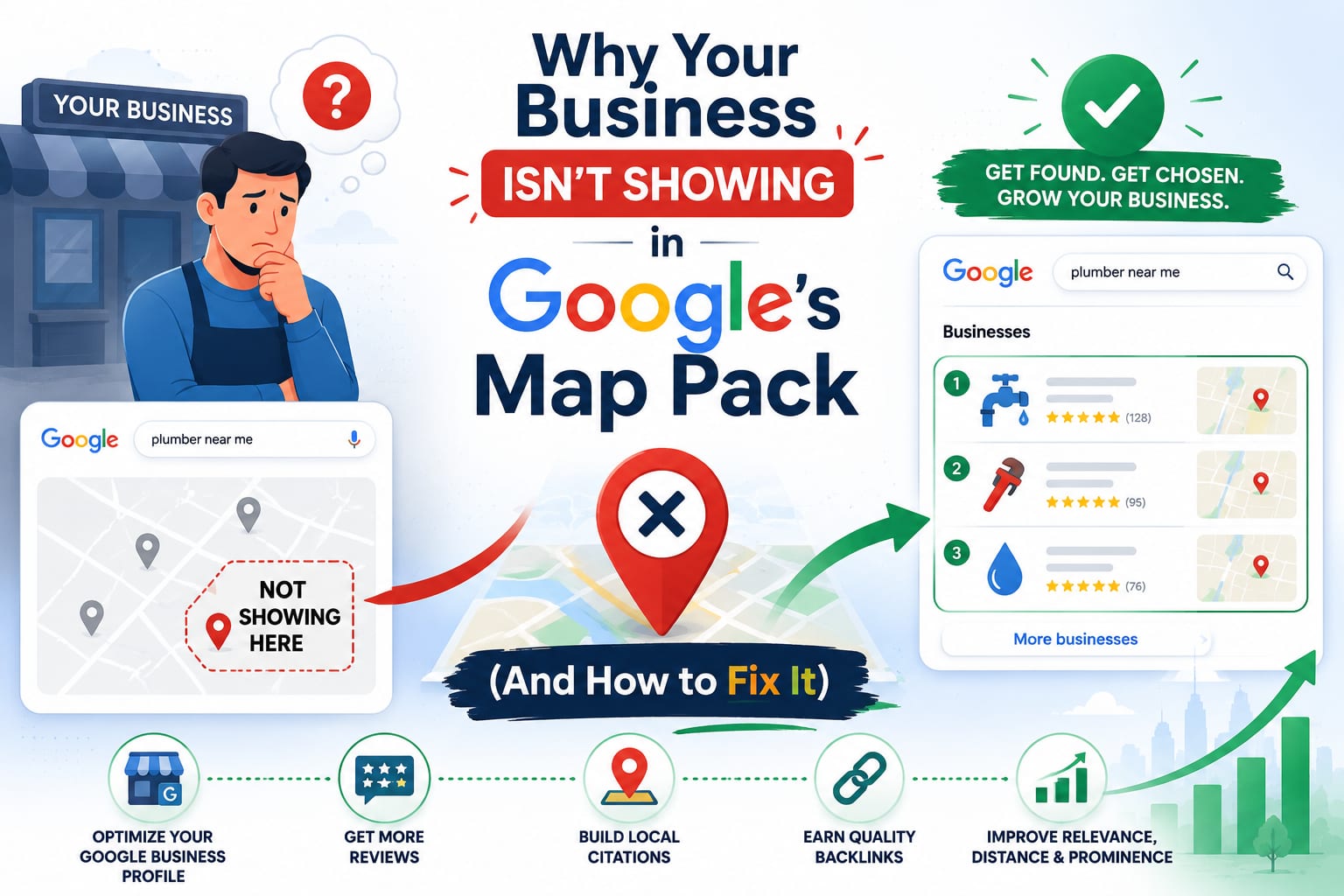
Most of the people who will spend money with you this year are not walking past. They are searching. They type "tacos near King William," "pilates Southtown San Antonio," "tattoo shop South Flores," or "chiropractor near Blue Star" — and Google answers with a map pack of three businesses. If you are not in it, the address you paid a premium for is invisible.
Neighborhood-level searches behave differently from citywide ones. Proximity carries more weight, which is good news for a Southtown business, but only if your Google Business Profile is complete, categorized correctly, and consistent with your website. Photos, hours, service lists, and a steady flow of recent reviews decide who occupies those three slots. So does whether your site actually says the words your customers use — Southtown, King William, Lavaca, Blue Star — in real page copy rather than a footer keyword dump.
The same logic extends to the corridor cities. A Southtown-based service business that also sells in New Braunfels, Boerne, or Kerrville needs pages that earn those searches separately. One "Areas We Serve" page with five city names in a list does not do it.
What a Southtown business should have online
Start with the basics, in order of return:
- A site that loads fast on a phone, because your customer is standing on South Alamo deciding between you and the place across the street.
- A claimed, filled-out Google Business Profile with correct hours, category, photos, and a review habit.
- Location-specific page copy that names the neighborhood and the landmarks, written for humans.
- Working forms, click-to-call, and directions that survive on mobile. A broken contact form is the most expensive bug in small business web design.
- Maintenance. Roughly two in five websites run on WordPress, and an unpatched WordPress install is the most common way a small business site goes dark for a week.
None of that is exotic. It is just rarely done all the way. DataCram builds and maintains these sites for businesses across San Antonio, Boerne, New Braunfels, Kerrville, and Helotes, and the pattern repeats: the location was never the problem, the digital front door was.
A quick test: is Southtown right for you?
Answer these honestly.
- Does your customer make a discretionary, mood-driven decision? Southtown is strong.
- Do they need to park a truck or load bulky goods? Look elsewhere or budget for a lot.
- Do you benefit from being surrounded by complementary businesses rather than isolated? Southtown is strong.
- Is 70% or more of your revenue booked online or by phone before anyone drives anywhere? Then the neighborhood is a nice perk, and your local SEO is the actual growth lever.
That last one catches a lot of owners by surprise. The address buys atmosphere and walk-ins. Search buys volume.
Southtown's commercial pull is concentrated on three corridors: South Alamo through the King William edge, South Flores past the Blue Star, and South St. Mary's toward Lavaca. Businesses there compete against Pearl and downtown for the same discretionary dollar, and search is where that competition is settled — most people decide before they park. San Antonio businesses that also sell north and west into Boerne, Helotes, Kerrville, and New Braunfels need those markets addressed on their own pages, since a Southtown proximity signal does nothing for a shopper searching from Kerrville.
Step by step
- Claim and complete your Google Business Profile — Verify the listing, set the correct primary category, add real photos of the storefront and interior, and confirm hours — including First Friday extended hours if you keep them.
- Write real neighborhood copy — Name Southtown, King William, Lavaca, and Blue Star in page text that a human would actually read. Landmarks help both customers and search engines place you.
- Fix the mobile experience — Test load speed, click-to-call, directions links, and the contact form on a phone over cellular data, not office Wi-Fi.
- Build a review habit — Ask every satisfied customer, in person, the same week they buy. Recency and volume both matter for map pack placement.
- Separate your service-area pages — If you sell in Boerne, New Braunfels, Kerrville, or Helotes, give each one a page with specific, non-duplicated content instead of a list of city names.
- Put the site on a maintenance plan — Schedule core, theme, and plugin updates with backups so a patch or a hack never takes your storefront offline during a busy month.
Street parking around King William and South Alamo fills quickly on First Friday and weekend evenings. If your customers must drive, verify parking capacity before signing a lease.
Exterior alterations and signage in designated historic districts require city preservation review. Budget extra weeks and get sign designs approved before fabrication.
Southtown asking rents have risen with the district's popularity. Compare current per-square-foot rates against nearby corridors before assuming it is the affordable option.
Frequently asked questions
Where exactly is Southtown in San Antonio?
Southtown sits immediately south of downtown, generally between César E. Chávez Boulevard and the Blue Star Arts Complex. It includes the King William and Lavaca historic neighborhoods and the South Alamo, South Flores, and South St. Mary's commercial corridors.
Is Southtown cheaper than downtown San Antonio for commercial space?
Usually, yes — Southtown rents typically run below prime downtown asking rates. The gap has narrowed as the district has grown more popular, so compare current per-square-foot numbers rather than relying on the neighborhood's old reputation.
What kinds of businesses do best in Southtown?
Restaurants, coffee shops, galleries, studios, salons, boutiques, and creative and professional service firms. The common thread is a customer who makes a discretionary decision and does not need to park a large vehicle.
Does a Southtown address help my Google rankings?
It helps for proximity-based searches near the neighborhood, but only if your Google Business Profile is claimed, categorized, and consistent with your website. An address alone does not place you in the three-result map pack.
How do I rank for neighborhood searches like "near King William"?
Write page content that names the neighborhood and its landmarks, keep your Google Business Profile current with photos and hours, and collect recent reviews. Proximity plus profile completeness drives most neighborhood-level local results.

 What you edit with on Next.js