The Seven Levels of YouTube Advertising (Most Businesses Stop at Level One)

Every YouTube ad you have ever skipped was paid for by someone who believed in it.
They believed in it in a conference room, on a large monitor, with the sound up, after watching it eleven times. They believed the opening shot of the building at sunrise was moving. They believed the founder walking slowly toward the camera conveyed trust. Then the ad went out into the world, where a nineteen-year-old in Converse, Texas, looked at it for five seconds, found the Skip button with the reflexes of a fighter pilot, and went back to watching a man restore a rusted shovel.
YouTube advertising works. It works for plumbers, dentists, roofers and software companies, and it works on a budget smaller than the one most owners waste on radio. But it works in levels, and most businesses stop at level one, decide YouTube does not work, and go back to the radio.
Here are the seven levels, in order. Most advertisers can climb one a month.
Level 1: The TV commercial with a Skip button
This is where nearly everyone starts. The business has a thirty-second spot, or a nice brand video from the website, and uploads it as an ad. The logo arrives at second twenty-six. The offer arrives at second twenty-eight. The phone number is on screen for the last two seconds, in a font chosen by someone who has never needed glasses.
The trouble is arithmetic. In a skippable in-stream ad, Google lets the viewer skip after five seconds. An ad built like a television commercial spends those five seconds on atmosphere. By the time it says anything, the audience has left the building.
Level one is not a failure of YouTube. It is a television ad on a channel that hands the viewer a remote.
Level 2: The five-second ad that happens to run longer
The first real step is to write for the five seconds you are guaranteed. Say who you are, what you fix and why the viewer should care, before the Skip button appears. Everything after second five is a bonus for the people who stayed.
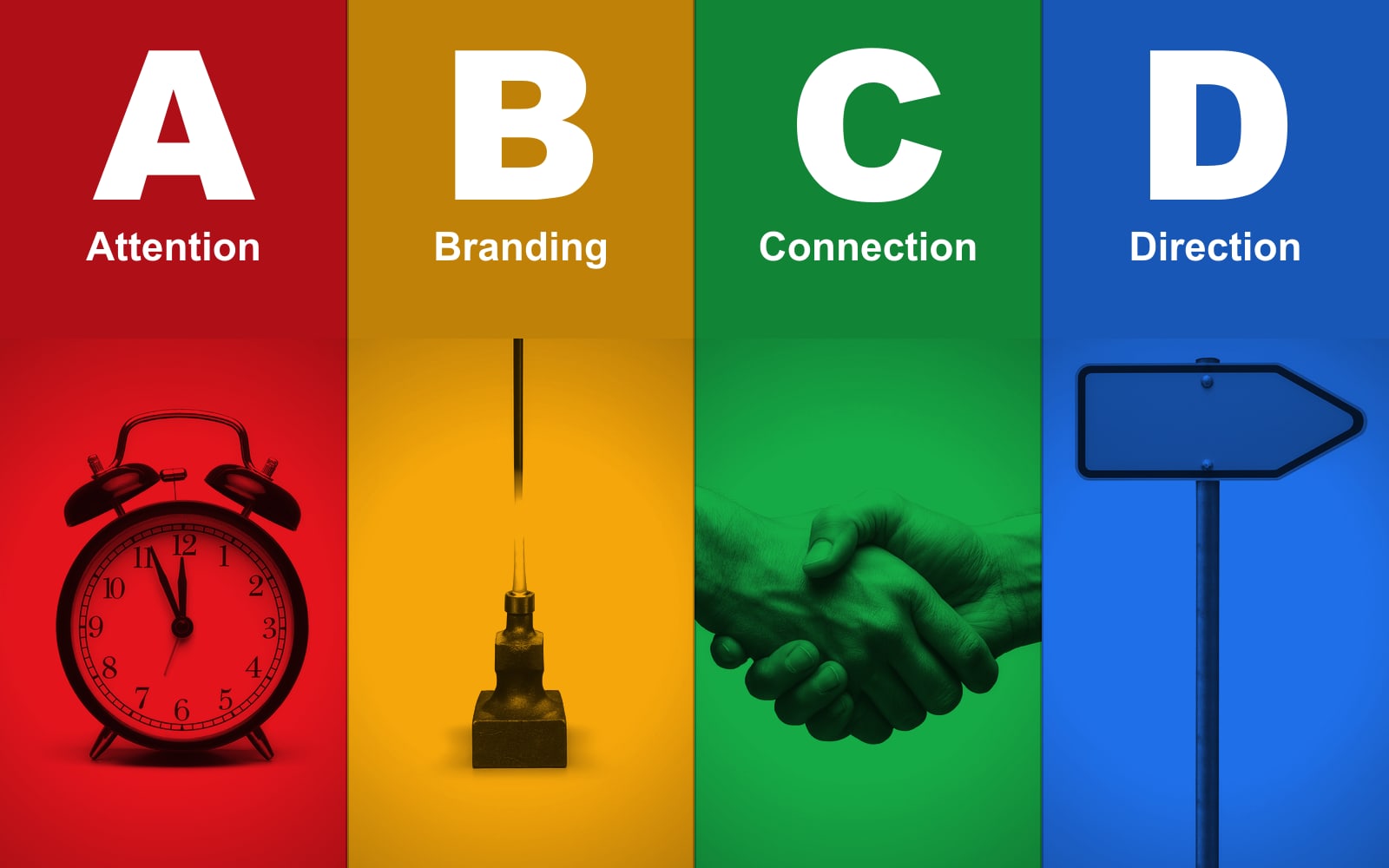
Google's own creative framework, which it calls the ABCDs, says the same thing more politely: get to the heart of the story faster, and introduce your brand from the start. A 2021 study Google ran with Kantar tied ads that followed the ABCDs to a 30% lift in short-term sales likelihood. Treat a vendor's study of its own ad product with the usual pinch of salt. The advice is still right.
Here is the part that makes level two quietly profitable. With cost-per-view bidding on skippable ads, Google charges when someone watches thirty seconds (or the whole ad, if it is shorter) or clicks. The people who skip at second five cost you nothing. The skip button is a free filter. Your ad told four hundred people who you are, and you paid only for the forty who wanted to hear more.
Level 3: The six-second reminder
Bumper ads run six seconds and cannot be skipped. You pay by the thousand impressions, not by the view. Six seconds is too short to sell anything complicated, which is exactly why bumpers are good at one job: reminding people who already know you.
The business at level three runs its longer ad to find interested people, then follows them with a bumper. "Still thinking about that water heater? Same-day install. Call us." Six seconds. A logo, a line and a phone number. It works the way a billboard works on your commute, except this billboard only shows up for people who already stopped to read the first one.
Level 4: Choosing who sees it
At levels one through three, many businesses still let Google decide the audience. Level four is where you take the wheel.
The options worth a small business's attention:
- Location. A plumber in Boerne has no use for a viewer in Bangor. Draw the radius you actually drive.
- Your own customers. Google's Customer Match lets you upload a customer list, under its rules, to reach past customers or keep them out.
- People who visited your site. The viewers most likely to call are the ones who already looked.
- Custom segments. Audiences built from the searches people make on Google, so your ad reaches the person who searched "AC blowing warm air" last night, now watching a cooking video.
The same ad shown to the right two thousand people beats it shown to the wrong two hundred thousand. This is where YouTube stops being brand advertising and starts being a sales tool.
Level 5: The ad that asks for something
Most YouTube ads end by asking for nothing. Level five ends with an instruction and a place to carry it out.
The campaign type built for this is Demand Gen. Google finished upgrading its older video action campaigns to Demand Gen in April 2026. Demand Gen runs on YouTube, YouTube Shorts, Discover, Gmail and Google's display network, and is built to drive actions such as calls, form fills and purchases. Google reports, from its own data, that advertisers who uploaded both video and image assets saw 20% more conversions at the same cost per action than those who used video alone.
None of it works without two things that have nothing to do with video. The first is conversion tracking, so the system knows a call from a scroll. The second is a landing page built for the ad, not your home page, which was built for everyone and therefore converts no one in particular. Sending a YouTube viewer to a cluttered home page is like handing someone a business card and then a phone book.
Level 6: Making five ads to find the one
At level six you stop arguing about which ad is best and let the viewers vote.
Write three different openings for the same ad: one that starts with the problem, one with the price, one with a face. Run them against each other and keep the winner. Then cut a vertical version for Shorts, where Google lets the viewer swipe away immediately and counts a paid view after ten seconds, so the hook has to land even faster. A phone in good light and a technician who can explain the problem in plain English will often outperform the expensive production. Viewers trust the person who looks like they actually show up.
If you need help with the words, our ad copy examples for search ads translate surprisingly well into thirty-second scripts: one problem, one reason, one instruction.
Level 7: Measuring what YouTube actually did
The last level is the hardest, because YouTube is bad at taking credit. Someone sees your ad on the living room TV on Tuesday, searches your name on their phone Thursday, and calls from your Google Business Profile on Friday. A last-click report gives YouTube nothing.
The businesses at level seven measure the whole house, not one doorway:
- Did searches for your business name rise in the towns where the ad ran?
- Did calls and form fills rise in those towns compared with similar towns where it did not?
- What happened to the cost of your search ads while YouTube was running?
You do not need a research department for this. You need a spreadsheet, a few weeks of patience, and a willingness to turn the ads off in one area to see what disappears. Most owners have never once turned an ad off on purpose. It is the most informative thing you can do with an ad budget.
Where to start
If you are at level one, you do not need a new video. You need a new first five seconds, a location radius and a landing page. That is a week of work, not a production budget.
YouTube ads run inside the same Google Ads account as your search ads, which is good news: one budget, one set of conversion tracking, one place to see what is working. Our PPC management program starts with a free audit of the whole account, includes your first custom landing page, and sets up call and form tracking before a dollar is spent. Ad budgets start at $1,000 a month, billed by Google to your own account, and management is month to month.
Or start by reading what your account is doing now. Ask for the free ads audit and we will tell you which level you are on, and which one is worth climbing next.