Google Wrote Four Letters About YouTube Ads in 2021. Here Is What Survived.
In the spring of 2021, Google and the research firm Kantar fed eleven thousand YouTube ads into a model and asked a simple question: what do the ads that sell have in common?
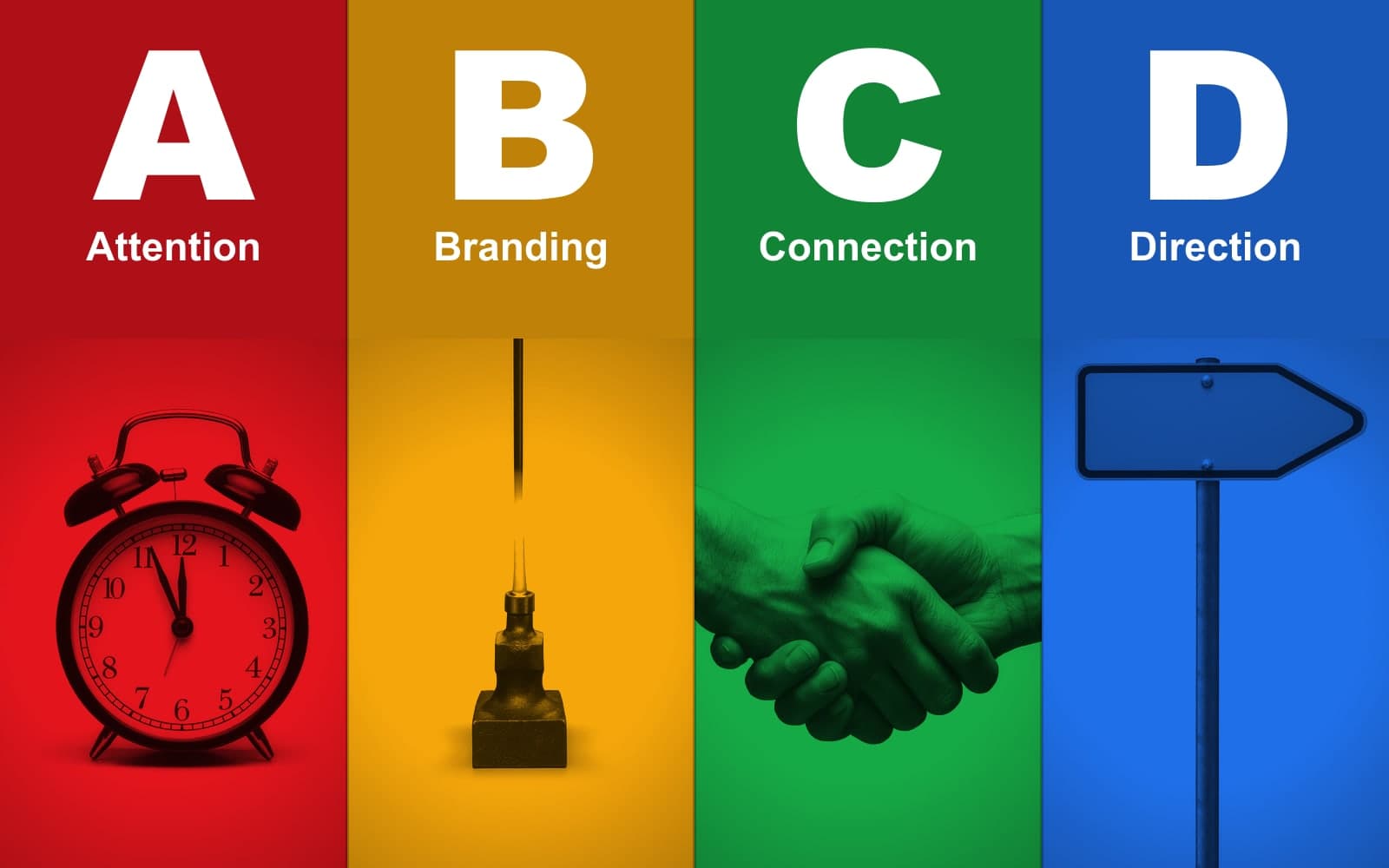
The answer fit on an index card. Four letters. A for Attention, B for Branding, C for Connection, D for Direction. Google called them the ABCDs, published them with a pair of numbers that made marketing departments sit up straight (ads that followed them saw a 30% lift in short-term sales likelihood and a 17% lift in long-term brand contribution), and the framework has been quoted in agency pitch decks ever since, usually on a slide with a stock photo of someone pointing at a whiteboard.
That was five years ago. In internet years, it was the Bronze Age. Shorts had only just launched. The phone was the screen everyone planned for. Nobody had asked a machine to grade a video ad, because no machine was grading them.
So we went back and checked. Google still publishes the ABCDs. Some of the advice has aged like a good boot. Some of it has been quietly rewritten by the living room, the vertical screen and a piece of software inside Google Ads that now reviews your ad without being asked.
The four letters, translated out of agency
Here is what Google's current guidance actually says, minus the slide transitions.
Attention: hook them, then keep them. Jump into the story quickly. Use tight framing and quick pacing. Keep visuals bright and high-contrast. Support the story with sound and on-screen text that say the same thing, not two things competing for the same three seconds. On a skippable ad the viewer can leave after five seconds, so the first five are the only ones you are guaranteed.
Branding: show up early and keep showing up. Introduce the brand or product from the start, and say the name out loud. Google's own guidance notes that a spoken brand mention makes the on-screen logo work harder. The old instinct to save the logo for the end, like the reveal in a magic trick, is how you end up paying for an ad that nobody can attribute to you.
Connection: make someone think or feel something. Put people on screen. Keep the message to one idea. Use humor, surprise or intrigue. The plumber explaining, in his own words, why he will not upsell you a water heater you do not need is connection. A slow pan across the service van is not.
Direction: ask for something. A clear call to action, tied to one goal, said out loud as well as shown on screen. "Call today for a free estimate" spoken by a human voice beats the same words sitting silently in the corner of the frame.
None of this has expired. If anything, Connection has become the hardest letter to earn. Kantar's Media Reactions study, published in September 2025 from interviews with more than 21,000 consumers and about 1,000 senior marketers, found that marketers rank YouTube as their favorite place to advertise. Consumers did not put it in their top five. The people paying for the ads love the platform. The people watching them are less sentimental. An ad that feels like an interruption is spending money to confirm the viewer's suspicion.
What changed most is everything around the four letters.
The living room took the remote back
In 2021, the working assumption was that YouTube meant a phone held a foot from the face. That assumption is now wrong in a very expensive way.
Nielsen's Gauge for July 2026 put YouTube at 14.2% of all US television viewing, a record, and YouTube itself reported more than a billion hours watched on TV screens every day as of late 2024. Your ad, in other words, may be playing on a sixty-five-inch screen in a living room, with the sound up, in front of a couple deciding whether to replace their roof.
You might think this argues for the old television commercial: the slow open, the swelling music, the reveal. The living room is not that living room anymore. At Brandcast in May 2026, YouTube announced that viewers can buy straight from the TV screen with Google Pay in two clicks. The couch now has a checkout counter, which means the TV viewer is not just absorbing your brand; they may be one remote press away from acting on it.
So the rules point the same way on every screen. Ads built for a distracted viewer also work on an attentive one, and the reverse is not true. Big text, a big logo, a fast start and a voice that carries the message survive any screen, and on the biggest screen, Direction suddenly matters as much as it does on the phone.
The vertical screen got its own rules
In April 2024, Google extended the ABCDs to YouTube Shorts, after studying Shorts ads from leading brands, and the Shorts version reads like the original framework after a semester abroad.
Announce yourself with audio. A Shorts viewer can swipe away instantly, so the first sound matters as much as the first frame.
Use tight framing. A face filling a vertical screen reads; a wide shot of a storefront does not.
Let your talent get real. Google's guidance says to show real people using the product and sharing their own perspective, in a more casual, fun tone. The top-performing Shorts ads, Google noted, feel like part of the viewer's feed rather than an interruption of it.
Keep text away from the edges. The channel name, the caption and the like and share buttons sit on top of your video. Anything you place there is placed for no one.
The practical upshot for a small business: you probably need two versions of every ad, a horizontal one for the living room and a vertical one for the thumb. Same message, different framing. If you shoot vertical and horizontal at the same session, the second version costs you an extra ten minutes.
What the ads that break through look like now
Google has since run its own sequel. In June 2025 it published an analysis in which its data scientists used AI to study 4,700 ads from campaigns in ten markets, run between March 2024 and April 2025, grouping them by style, sentiment, visuals, cultural references and creator presence. Three patterns stood out among the ads that broke through.
One story, many lengths. The strongest campaigns told the same story across short and long video, rather than cutting one ad down until it bled.
Creators with room to create. Google's finding was that when brands let creators bring their own vision, the work got more inventive. For a small business, the creator may simply be you, or the technician who does the work.
Timing. Campaigns tied to a moment people were already talking about, a season, an event, a local storm, did better than campaigns that could have run any week of the year.
Notice that none of this replaces the ABCDs. It is the ABCDs with a calendar and a cast.
A robot now grades your homework
The biggest change since 2021 is not in the framework. It is that Google built the framework into the product.
Google Ads now has a feature called creative guidance. It reviews your video ads and flags what is missing, and as of today it checks four things:
- a prominent brand logo in the first five seconds
- a video length that suits your campaign's goal
- a high-quality human voice-over
- all three video shapes in the ad group: horizontal 16:9, vertical 9:16 and square 1:1
You will find its suggestions under Video Analytics, in the "Ideas to try" panel beneath the retention curve, and sometimes in the Recommendations tab. Google says more checks will be added.
Read that list again and notice what it is: the ABCDs, reduced to the parts a machine can measure. A logo early is Branding. A human voice is Attention and Connection. The three shapes are the living room, the phone and the feed. Google is no longer just suggesting the framework. It is grading you on it.
It also matters more than it used to, because the campaign types themselves changed. Google finished moving its old video action campaigns into Demand Gen in April 2026. Demand Gen places your ads on YouTube, Shorts, Discover, Gmail and Google's display network, which means the same creative has to work in more shapes and more places than any 2021 ad was ever asked to. Google reports that advertisers who gave Demand Gen both video and image assets saw 20% more conversions at the same cost per action than those who uploaded video alone.
What the study never measured
A fair reading of the 2021 numbers comes with a footnote of our own.
The research scored eleven thousand ads from around the world through Kantar's model, which predicts things like short-term sales likelihood and brand contribution. It is a good study. It was also run with the company that sells the ads, and it measured predicted effects, not whether the phone rang at a four-truck HVAC outfit in New Braunfels.
A local business has a simpler scoreboard. Did the phone ring? Did the form fill? Did people in the towns where the ad ran search your name more often than people in the towns where it did not? The ABCDs are a good recipe. Your conversion tracking is the taste test, and it is the only one that counts.
The five-minute ABCD audit
Pull up your current YouTube ad and answer five questions honestly.
- Does anything happen in the first two seconds? Not a logo animating in. Something happening.
- Is your name said out loud before second five? If a viewer skipped at five, would they know who you are?
- Is there a person on screen who works for you? A real one, not a stock smile.
- Does the ad ask for one specific thing, out loud? "Learn more" is not a specific thing.
- Do you have it in three shapes? Horizontal, vertical and square. If not, Google is already flagging it.
Score it. Four or five yeses and you are ahead of most local advertisers. Two or fewer, and the fix is usually a reshoot of the first five seconds, not a new production budget.
Where to go from here
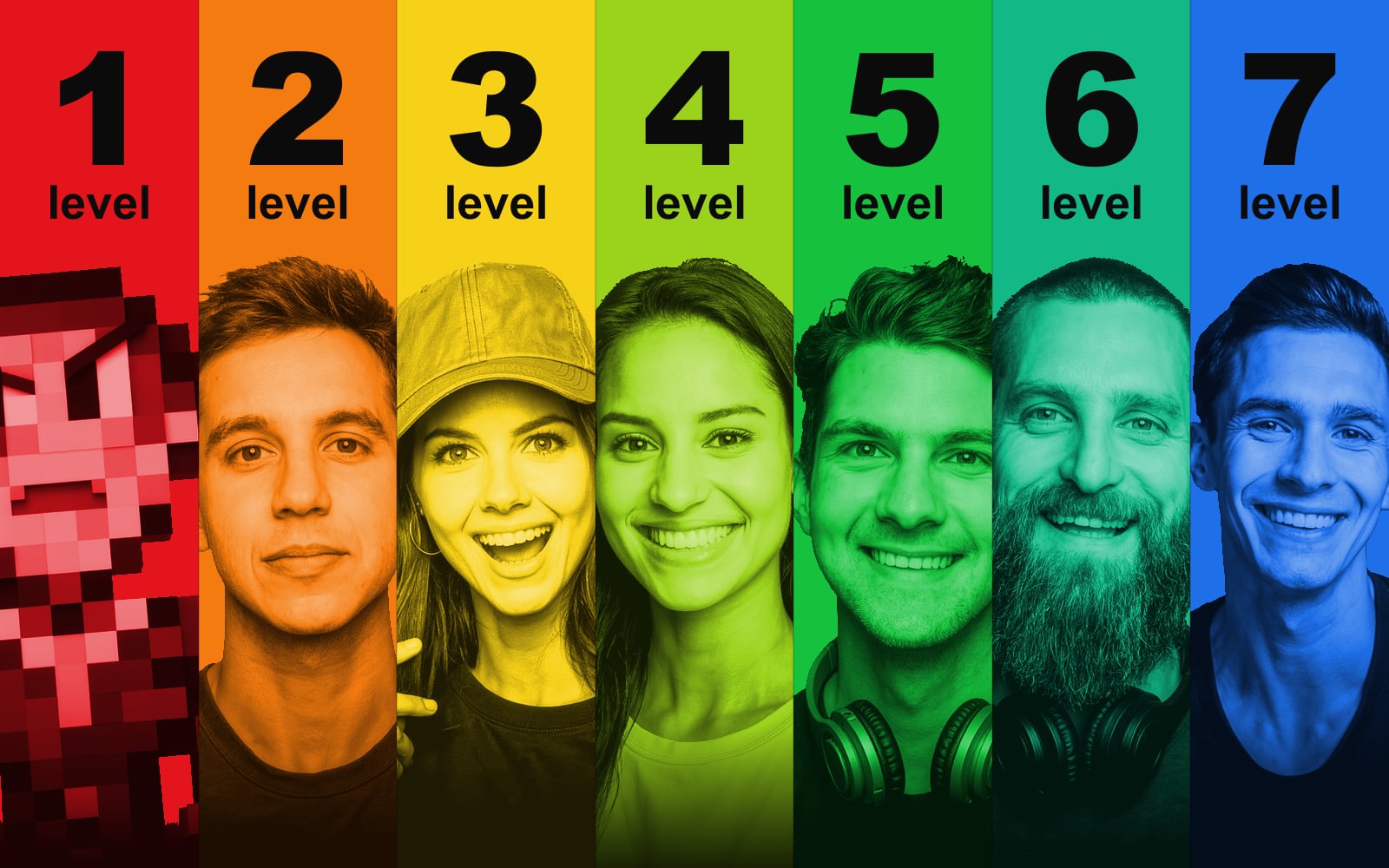
If you want the bigger picture of how YouTube advertising grows from a single ad into a system, start with our seven levels of YouTube advertising. If the problem is what happens after the click, the fix is a landing page built for the ad, not a better video.
And if you would like someone to look at your whole Google Ads account, search and YouTube together, ask for our free ads audit. We will tell you which letters your ads are missing, and whether the money would do more work somewhere else first.